Table of contents
Discovering new ways to make grocery shopping both efficient and cost-effective can transform your weekly routine. When planned well, using weekly flyers can help save time, money, and even reduce food waste. Explore the strategies below to learn how to master your shopping list organization and make the most out of each grocery trip.
Maximize flyer savings
To make the most of flyer savings, a well-planned approach to shopping organization is required. Start by gathering weekly deals from various store flyers, either through print editions or online platforms. Carefully compare offers and highlight items that align with your grocery list, noting store-specific promotions and limited-time discounts. Preparing your list in this manner ensures the best prices are captured, reducing overall grocery costs. Take advantage of price matching, a technical strategy where stores honor competitor prices, allowing you to consolidate purchases in one location without missing out on savings. This method streamlines your shopping experience, guarantees you benefit from all available weekly deals, and keeps your grocery list focused on value-driven choices.
Sort items by store sections
Categorizing your shopping list using store sections, as often outlined in weekly flyers, significantly enhances shopping efficiency and ensures a more organized shopping experience. By studying flyers such as the No Frills Flyer, shoppers can identify both the featured deals and the specific locations of these products within the store. Retail experts refer to the technical layout of store categories as a planogram, and aligning your categorized list with this planogram enables a systematic approach for navigating the aisles. Flyer planning not only highlights the best deals but also visually groups items—like produce, dairy, or bakery—making it easier to plan your route and avoid backtracking.
With a categorized list based on store sections, shoppers spend less time wandering and more time finding exactly what they need. This method is proven in retail environments to minimize overlooked items and reduce impulse purchases, as shoppers focus on specific areas relevant to their planned purchases. Flyer planning also helps in pre-selecting alternatives in case a particular product is sold out, ensuring flexibility and reducing frustration. Integrating information from weekly flyers into your shopping routine streamlines the process, creating an organized shopping trip tailored to the store’s unique layout and current promotions.
Track seasonal promotions
Weekly flyers are a valuable resource for recognizing patterns in seasonal promotions, enabling consumers to make informed decisions that maximize freshness and value. By observing the promotional calendar, shoppers can identify when certain fresh produce items are consistently featured, such as berries in summer or root vegetables in fall. Reviewing these recurring promotional cycles allows for strategic planning and helps adjust shopping list priorities based on what is likely to be freshest and most affordable. A seasonal produce specialist recommends keeping notes on the timing of these offers, as this approach ensures purchases align with peak flavor and nutritional quality. Adapting to these cycles by integrating advertised items into meal planning not only stretches the budget but also enhances the variety and quality of meals throughout the year.
Prioritize essentials
Creating an organized and efficient shopping list with the help of weekly flyers starts by identifying your essentials. Focus on shopping priorities by first scanning flyers for deals on core items, which include grocery basics such as fresh produce, whole grains, proteins, and dairy. A nutritionist specializing in meal planning recommends separating must-have products like these from non-essential options, which often include processed snacks or luxury treats that can stretch your budget. Using a weekly flyer strategy, prioritize essentials by marking the best offers on staple foods and planning your meals around these discounted core items. This approach ensures the most nutritious and cost-effective weekly shop, allowing you to meet both dietary needs and financial goals.
Utilize digital flyer tools
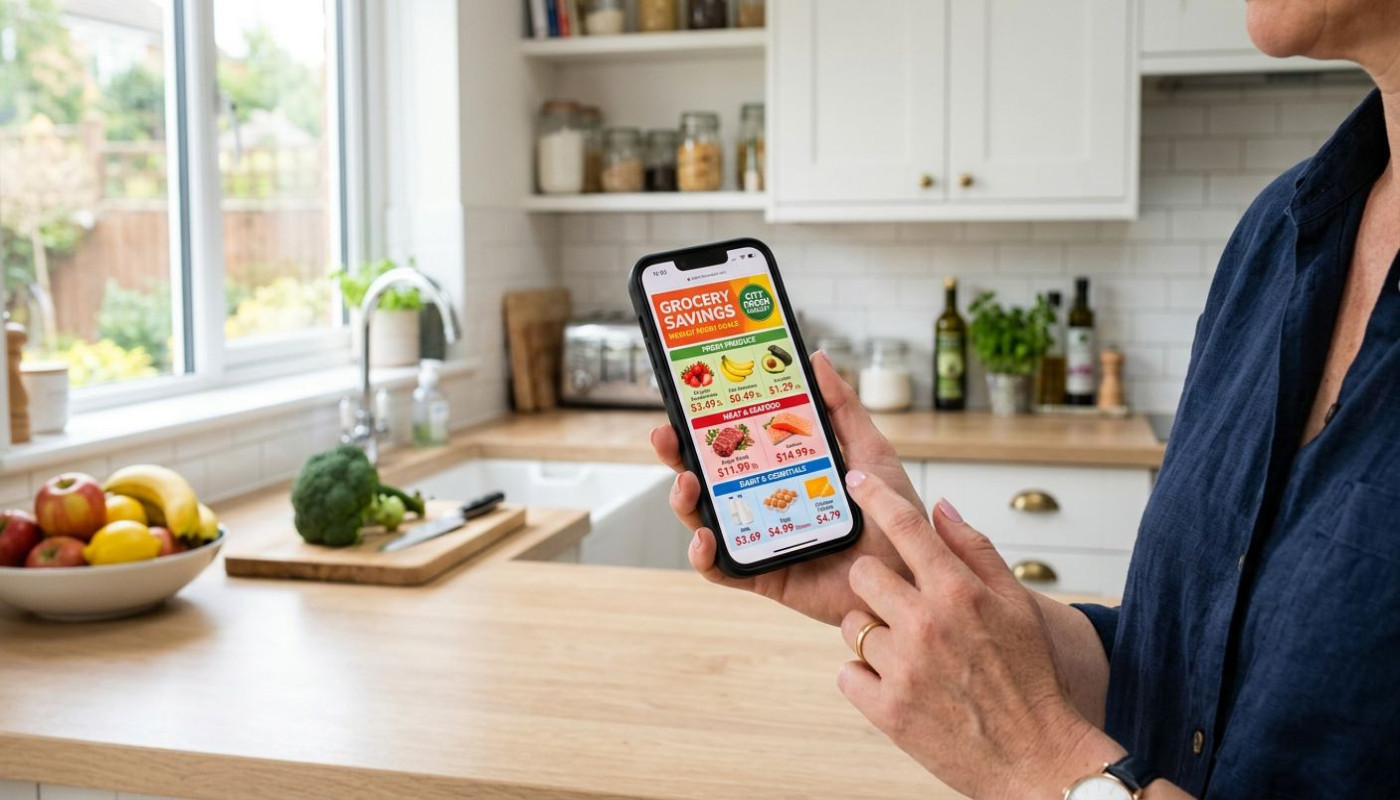
Digital flyers have transformed grocery planning by enabling shoppers to access the latest deals and promotions from multiple stores in a single, integrated platform. Shopping apps specializing in virtual flyers allow for real-time browsing and comparison of weekly discounts without the need for paper versions. By using these apps, shoppers can efficiently compile and update their shopping lists as they discover new offers, ensuring list organization is both streamlined and adaptable. Features such as automatic list updates, in-app categorization, and synchronized access across devices help prevent missed items and wasted time. Expert guidance from a digital grocery technology authority suggests leveraging list-sharing functionalities, reminders, and store mapping to further enhance efficiency and maximize savings while planning purchases. Virtual flyers embedded in shopping apps contribute to a seamless experience, letting users adjust their choices based on evolving promotions and household needs.
Employing an integrated platform not only consolidates weekly flyer content but also links directly to in-app grocery lists, bridging the gap between advertised bargains and organized purchasing. Shoppers can set preferences for favorite brands or dietary requirements, and the system can auto-populate lists from flyer selections, minimizing manual entry. This synergy between digital flyers and list organization supports smarter, data-driven grocery planning, empowering users to prioritize items, track price changes, and even anticipate future sales cycles. As technology continues to evolve, the use of virtual flyers through shopping apps represents a dynamic way to stay informed, organized, and proactive in managing food budgets and household needs.
Similar articles

Data Protection Nightmares: How International Extradition Tests Privacy Laws

Why Compliance Mistakes Can Derail Your Supply Chain Overnight

How Co-founding A Capital Group Shapes The Finance Sector

How Obtaining An LEI Boosts Business Transparency?

Cryptocurrency: A Bubble or the Future of Economy?
